
Media literacy is the ability to critically analyze and evaluate messages in media—such as ads, social posts, videos, and websites.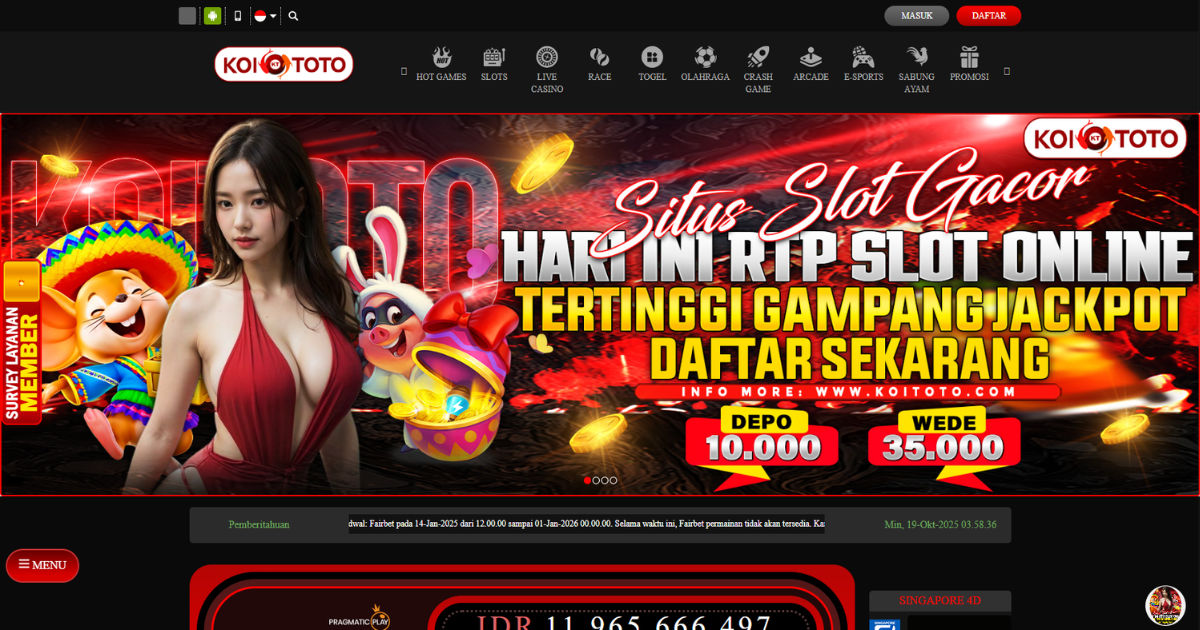
In the context of online gambling content (including “slot” promotions and similar game-based betting systems), media literacy helps people understand what is real, what is exaggerated, and what is misleading.
Many online gambling-related messages are designed to look exciting and trustworthy, including those discussing rtp slot systems. They often show big wins, happy players, and claims of “easy money.” Media literacy helps learners question these messages instead of accepting them at face value.
Why Online Gambling Content Is So Persuasive
Emotional Design and Attention Triggers
Gambling-related media often uses bright colors, fast animations, and winning sounds. These elements are designed to trigger excitement and emotional reactions rather than logical thinking.
For example, videos may repeatedly show jackpot wins while ignoring losses. This creates a biased impression that winning is common.
Selective Information
A major media literacy concept is selective presentation—showing only the positive side of something.
In gambling content, this may include:
- Highlighting rare wins
- Hiding frequent losses
- Showing testimonials that may not represent real users
Understanding this helps viewers recognize that they are not seeing the full picture.
How Media Literacy Helps You Evaluate Gambling Claims
Questioning Probability and “Easy Win” Messages
One of the most important skills is questioning probability claims. Many gambling-related messages imply that winning is frequent or predictable.
A media-literate viewer asks:
- How often do people actually win?
- Is this information verified or just promotional?
- Are losses being hidden?
This prevents misunderstandings about risk and reward.
Understanding Marketing Intent
Every advertisement has an intention: to encourage engagement or spending.
Media literacy teaches that:
- Ads are not neutral information
- Content may be designed to influence behavior
- “Success stories” are often marketing tools
This awareness reduces the chance of being misled.
Recognizing Common Manipulation Techniques
The Illusion of Control
Some gambling content suggests that skill or timing can influence random outcomes. This creates a false belief that users can “learn” to consistently win.
In reality, most gambling systems are based on randomness, not predictable control.
Near-Miss Effect
Another common technique is showing “almost wins,” such as:
- Matching symbols that are close to a jackpot
- Visual effects that simulate success
This psychological trick encourages users to keep trying, even after losses.
The Role of Data and “Return to Player” Concepts
Many gambling-related platforms mention statistical terms that sound scientific. One example is return percentages, which suggest how much money is returned to players over time.
A media-literate approach involves:
- Understanding that percentages are long-term averages
- Recognizing that individual experiences may vary widely
- Knowing that marketing often simplifies complex math
This helps prevent overconfidence in short-term outcomes.
Social Media Influence on Gambling Perception
Influencers and Sponsored Content
Social media often features influencers promoting gambling-related platforms. These promotions may:
- Be paid advertisements
- Lack clear disclosure
- Show only successful outcomes
Media literacy helps users identify sponsorships and question authenticity.
Viral Success Stories
Short videos of big wins can go viral easily, but they do not show the full context. For every visible win, there may be many unseen losses.
Understanding this imbalance is essential for accurate perception.
Developing Healthy Skepticism
Asking Critical Questions
A key part of media literacy is learning to ask:
- Who created this message?
- Why was it created?
- What information might be missing?
- Is there evidence supporting the claims?
These questions help separate entertainment from factual reality.
Avoiding Confirmation Bias
People often believe what matches their hopes or expectations. Gambling content may reinforce the idea of quick success, which can feel appealing.
Media literacy encourages stepping back and checking whether beliefs are supported by evidence or emotion.
Protecting Yourself from Misleading Content
Limiting Exposure
Reducing time spent on gambling-related ads and content can help reduce influence. Algorithms often show more of what you engage with, so avoidance can reduce repetition.
Seeking Reliable Information
Instead of relying on promotional content, media-literate users look for:
- Educational sources about probability
- Independent reviews
- Financial literacy resources
Conclusion
Media literacy plays an important role in understanding online gambling-related content. It helps individuals recognize persuasive techniques, question unrealistic claims, and understand how marketing can shape perception.
By learning to analyze messages critically, people can make more informed decisions and avoid being influenced by emotional or misleading content. This skill is especially important in digital environments where advertisements and entertainment often blend together.
Developing strong media literacy is not just about identifying misinformation—it is about building long-term habits of critical thinking, skepticism, and informed judgment in everyday media consumption.
