
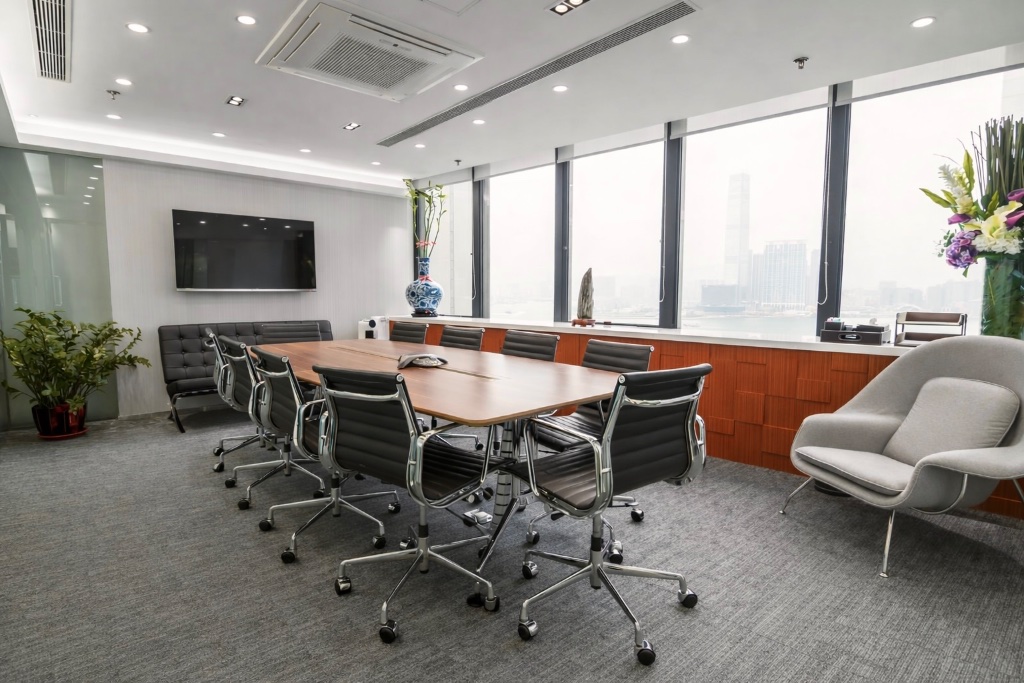
As the worldly concern of work becomes increasingly whole number, virtual offices are no yearner a novelty they are a core part of how modern businesses run. With remote teams, cloud over-based collaboration, and online meetings becoming standard, sympathy practical office has never been more world-shattering. Unlike orthodox offices, where sociable cues and physical presence steer interactions, virtual work requires intentional communication, professional person demeanor, and trained routines to exert productivity and positive relationships.
One of the most vital aspects of realistic office etiquette is clear and well-timed communication. In a practical , colleagues cannot simply pop into each other s offices for quickly updates or clarifications. Miscommunication can easily happen when relying exclusively on emails, instant messages, or picture direction tools. Professionals should reach to write summary, messages and react promptly to requests or inquiries. Setting expectations for response times helps prevent misunderstandings and ensures that work flows smoothly across different time zones or work schedules.
Video meetings have become a central sport of practical offices, making in these settings especially evidential. Employees should regale virtual meetings with the same professionalism as in-person ones. This includes stuffing suitably, muting microphones when not speech production, and avoiding distractions such as multitasking during discussions. Being prompt is equally material, as connection meetings late can interrupt the flow of and give a veto stamp. Preparing an docket or notes in advance demonstrates respect for participants time and promotes successful discussions. virtual office in hong kong.
In realistic offices, digital body language and tone play a substantial role in communication. Since team members cannot rely on natural science cues, how a content is scripted or verbal can influence perception. Positive, mannerly nomenclature, specific punctuation mark, and clear condemn social organization help convey professionalism and honour. Avoiding irony or humour that could be misinterpreted is also epoch-making, as tone is well ununderstood in text-based . Using video recording calls strategically can reinforce connection and help transmit , , and engagement.
Time direction and accessibility are also key components of virtual power etiquette. Unlike orthodox workplaces, remote employees often enjoy more whippy schedules, which can be both an vantage and a challenge. Clearly communicating workings hours, breaks, and accessibility prevents thwarting among colleagues who may need well-timed stimulus. Tools such as divided up calendars, status indicators in electronic messaging platforms, and automated responses for periods of unavailability help wield transparency and manage expectations.
A professional virtual environment also requires system and preparation. Keeping digital files, picture documents, and communication duds well-organized ensures that team members can get at selective information speedily when needful. Regularly updating distributed documents and following file naming conventions prevents mix-up and enhances quislingism. Being prepared for meetings with in question data, reports, or get on updates signals dependableness and fosters bank within the team.
Respecting privateness and subjective space is another necessary aspect of realistic power etiquette. While remote control work allows individuals to operate from home or other personal spaces, boundaries should be preserved. Avoid interrupting colleagues outside united-upon hours unless urgent, and forbear from sending superfluous messages that may disrupt focus. Similarly, during video recording calls, professionals should be heedful of their downpla, avoiding distractions or content that may appear amateur.
Virtual offices flourish on quislingism and inclusivity, and etiquette extends to how team members engage in these practices. Encouraging involvement from all colleagues, acknowledging contributions, and offering positive feedback helps build a positive and successful work culture. Taking the time to in with teammates, celebrate achievements, and cater subscribe fosters rely and reduces feelings of isolation, which can be a commons challenge in remote control settings.
Digital surety and are increasingly large in practical offices, and following proper protocols is a matter to of as well as submission. Ensuring that medium documents are divided firmly, using warm passwords, and following company guidelines for data tribute demonstrates professionalism and responsibleness. Neglecting these practices not only risks stage business operations but can also damage believability within the team.
Finally, unceasing self-discipline and adaptability are central to maintaining productivity in virtual offices. Without the natural science social system of a orthodox workplace, employees must manage their schedules, keep off distractions, and continue responsible. Establishing routines, scene clear goals, and prioritizing tasks help wield focalize and prevent burnout. Professionals who actively seek feedback, hug whole number tools, and correct to evolving norms are better weaponed to come through in a practical power .
In conclusion, practical power is a combination of professional person communication, organised work flow, and venerating fundamental interaction in a digital workspace. Clear messaging, punctuality, whole number body language, and consideration for colleagues time and boundaries are requirement for fosterage a productive and balanced remote control environment. As practical offices uphold to grow in popularity, mastering these principles ensures that teams stay on competent, cooperative, and professional, regardless of physical location. Embracing specific realistic power not only enhances day-to-day trading operations but also strengthens relationships and supports long-term winner in the modern font whole number workplace.
