
Twelve months can change an entire category, and this year the off-road world quietly got smarter. What began as a few screens and sensors on flagship machines has become a movement that touches nearly every segment of the market. This year in review traces how smart off road went from novelty to necessity, quarter by quarter, with the numbers and milestones that marked the shift.
Q1: The First Wave of Displays
The year opened with the first wave of factory-fitted displays on utility machines. Riders who had never seen a screen on a quad or side-by-side suddenly had live speed, fuel and diagnostics at a glance. Critics called it a gimmick; owners called it a convenience. The early adopters who logged their machines’ health from day one were the first to spot problems before they became breakdowns — and the first to tell their riding groups about it.
Q2: Terrain Modes Go Mainstream
By mid-year, one-touch terrain modes had moved from sports cars into off-road machines. The off road smart systems let riders switch the machine’s character for mud, rock, sand or open trail with a button. The result was a level of confidence that new riders simply did not have before — the machine helped them, instead of intimidating them. Rental fleets were among the first converts, because a terrain mode is cheaper than a training course and almost as effective.
Q3: Cameras and Navigation Arrive
The third quarter brought the features that changed daily riding. Rear cameras made hitching a trailer a solo job, front cameras helped place tires on climbs, and built-in navigation replaced the phone-in-a-holder. Groups began sharing routes electronically, and the phrase I got lost started disappearing from ride reports. smart off road had moved from screens to genuine safety tools, and the market responded with the segment’s biggest sales quarter on record.
The numbers behind that growth were striking. Sales of smart-equipped models doubled in the second half of the year, and the average transaction value climbed as buyers added camera packs and navigation upgrades. Rental operators, who judge technology by whether it makes their job easier, adopted the features fastest of all — and their feedback shaped the next generation of software before the year was out.
Q4: Diagnostics Close the Year
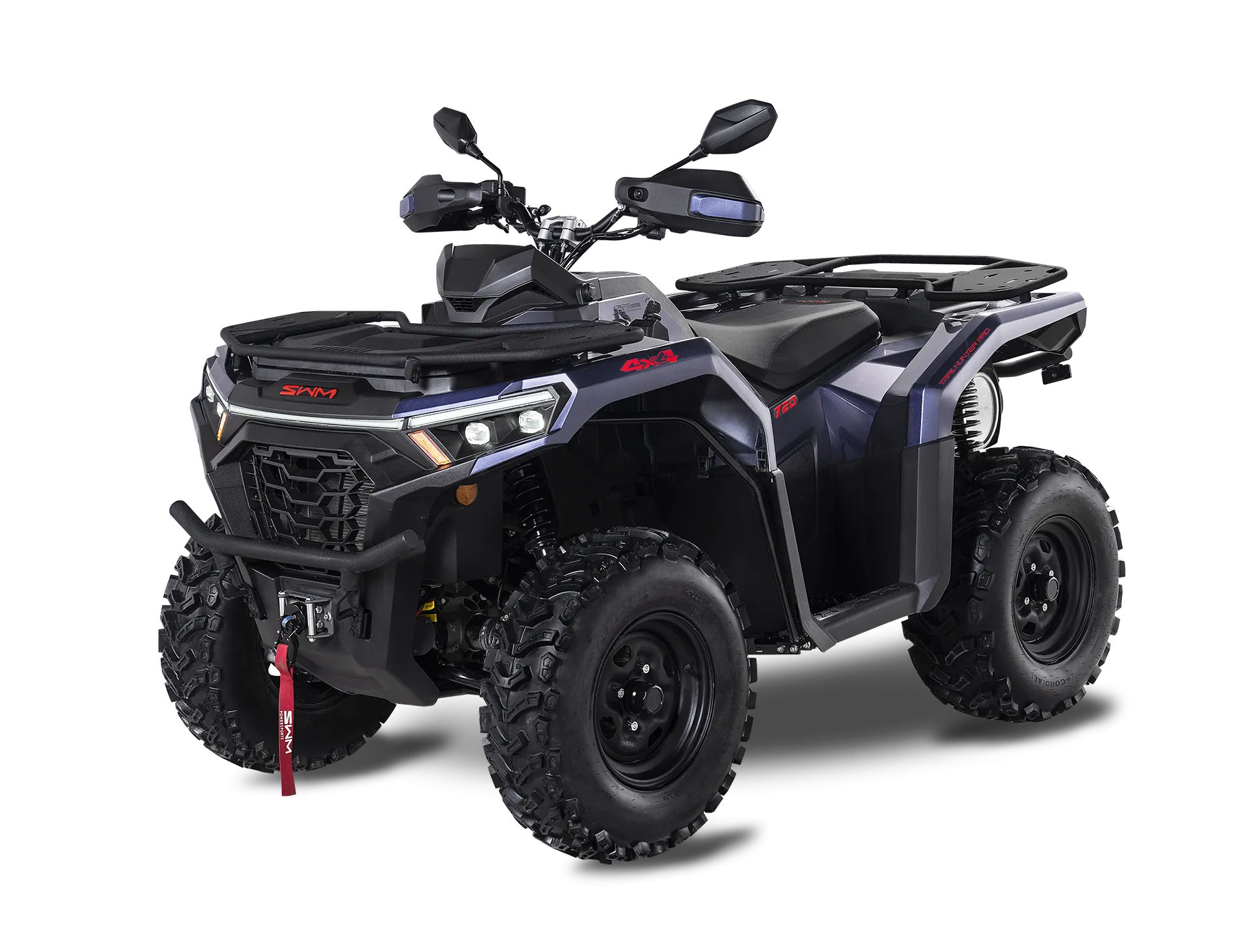
The year ended with the most valuable feature of all: live diagnostics that talk to the rider. Temperature warnings, pressure alerts and service reminders arrive before problems do. A smart atv with early warnings is a machine you can trust deep in the back country, and that trust is what riders remember when the year’s miles are added up. Dealers reported that diagnostic readouts were settling warranty disputes faster and turning one-time buyers into repeat customers.
By the final quarter, the numbers told the story plainly: smart-equipped models outsold their basic counterparts by a wide margin, and the used market was already pricing the difference in. What started the year as an option was ending it as an expectation. Dealers who had stocked basic machines to keep prices low found themselves discounting them by the fall, while smart-equipped units moved at full price within days of arriving.
The Verdict
Looking back, the rise of smart off-road technology followed a clear path: from display screens to driving aids to genuine safety systems. Next year’s machines will assume smart features as standard, just as disc brakes and fuel injection did before them. The pattern is unmistakable: every technology that riders once called optional has eventually become standard, and the smart systems of today are following the same curve. For riders, the message is simple — the smartest time to embrace the technology was last year; the second smartest time is now. The machines that define this era will be the ones that help their riders, not the ones that just look good in a brochure.
