
In an era where conscious consumers scrutinize every aspect of product sustainability, natural beauty brands face increasing pressure to deliver environmentally responsible packaging solutions. Paper deodorant tubes have emerged as a game-changing alternative, combining eco-credentials with practical functionality and nostalgic appeal. These innovative containers represent more than just packaging—they embody brand values, communicate sustainability commitments, and create memorable unboxing experiences. As the beauty industry shifts toward circular economy models, paper tubes offer a versatile solution that aligns with both environmental priorities and consumer expectations for convenience and aesthetic appeal.
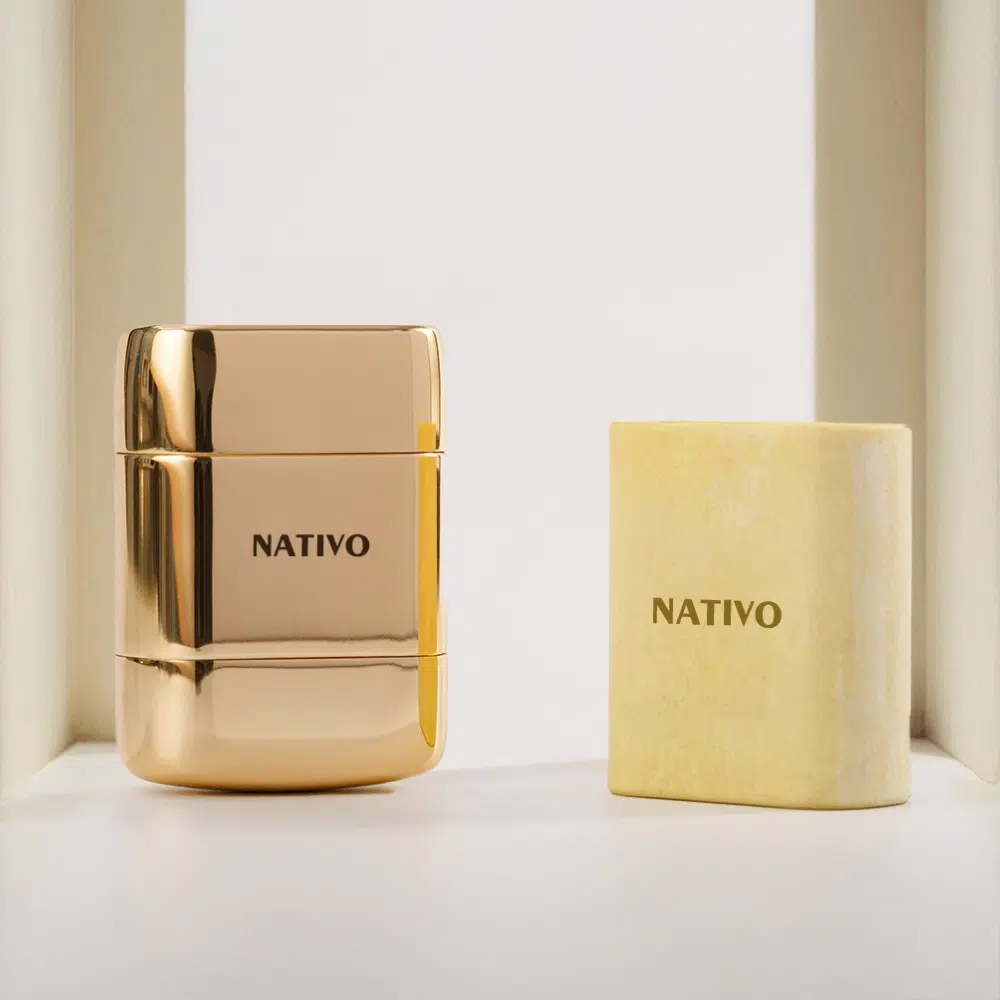
Eco-conscious paper deodorant tubes combine sustainability with brand storytelling opportunities
The Rise of Paper Tube Packaging
The beauty industry's embrace of paper tubes reflects broader consumer demand for sustainable alternatives to plastic packaging. Unlike traditional plastic containers that may take centuries to decompose, paper deodorant tubes offer complete biodegradability while maintaining product integrity. Their cylindrical shape provides excellent structural stability, protecting delicate formulations from light exposure and oxidation—critical factors for natural deodorants containing essential oils and plant-based ingredients. The matte texture and printable surface of paper tubes create a premium tactile experience that resonates with eco-conscious consumers seeking authenticity in their beauty products.
Why Natural Brands Choose Paper Tubes
Environmental Advantages
Paper tubes significantly reduce carbon footprint compared to plastic alternatives, with some studies showing up to 60% lower greenhouse gas emissions in production. They're made from renewable resources (wood pulp from responsibly managed forests) and can be recycled up to 7 times before fiber degradation. Many paper tube manufacturers now use water-based adhesives and soy inks to ensure complete compostability, addressing concerns about microplastics contamination in soil and waterways.
Branding Opportunities
The printable surface of paper tubes becomes a canvas for brand storytelling, allowing detailed graphics, textured finishes, and even embossed logos. This transforms packaging into a tactile brand experience that resonates with consumers. The nostalgic appeal of paper packaging evokes feelings of simplicity and authenticity—qualities highly valued in the natural beauty market. Some brands incorporate seed paper labels or plantable elements that extend the sustainability narrative beyond initial use.
| Feature | Paper Tubes | Traditional Plastic |
|---|---|---|
| Biodegradability | Fully biodegradable in 3-6 months | 500+ years to degrade |
| Recyclability | 7+ recycling cycles | Often downcycled just 1-2 times |
| Carbon Footprint | 60% lower than plastic | High fossil fuel dependence |
| Customization | Full 360° printing, textures, shapes | Limited by injection molding |
| Consumer Perception | Premium, eco-friendly image | Generic, environmentally concerning |
Design Considerations for Maximum Impact
Successful paper tube packaging balances sustainability with functionality. The ideal tube thickness (typically 1.5-2mm) provides structural integrity while remaining easily recyclable. Brands should consider barrier coatings—many opt for food-grade PLA liners derived from corn starch rather than traditional plastic films, maintaining compostability. For deodorant containers wholesale solutions, standardized sizes with customizable diameters accommodate various product formulations while optimizing shipping efficiency through nestable designs.
Innovative closures represent another opportunity for differentiation. Bamboo caps, cork stoppers, or recycled aluminum twist mechanisms enhance sustainability while adding tactile appeal. Some brands incorporate refill systems where consumers keep decorative outer paper sleeves and simply replace inner cartridges—a model that reduces material use by up to 70% compared to single-use packaging. These thoughtful details transform ordinary deodorant tubes into conversation pieces that reinforce brand values with daily use.
The Future of Sustainable Deodorant Packaging
Material Innovations
Emerging technologies promise even greener paper tube solutions. Some manufacturers now offer tubes made from agricultural waste (wheat straw, bamboo) that require no tree harvesting. Others experiment with mycelium-based packaging that grows into shape using mushroom roots. Water-resistant coatings derived from algae or chitosan (from shellfish shells) may eventually replace all petroleum-based barriers while maintaining full compostability.
Smart Packaging
Paper tubes are evolving beyond simple containers into interactive brand touchpoints. Conductive inks can create touch-sensitive areas that connect to mobile apps when scanned. Some brands embed NFC chips in tube caps to provide product information or recycling instructions. These technologies, combined with paper's inherent sustainability, create packaging that educates consumers while minimizing environmental impact—a powerful combination for brands committed to transparency.
As consumer expectations evolve, paper deodorant tubes will likely become the standard rather than the exception in natural beauty. Their ability to merge sustainability with premium aesthetics addresses the core values of eco-conscious shoppers while providing practical benefits for brands. From reduced shipping costs (thanks to lightweight construction) to enhanced shelf appeal, these innovative containers represent more than just packaging—they're tangible manifestations of a brand's environmental ethos and commitment to circular design principles.
