
Pregnancy changes many things, including the way a woman thinks about skincare, supplements, and personal appearance. It is completely understandable to want healthy, even-looking skin during this stage. However, pregnancy is also a time when extra caution is needed with anything taken by mouth.
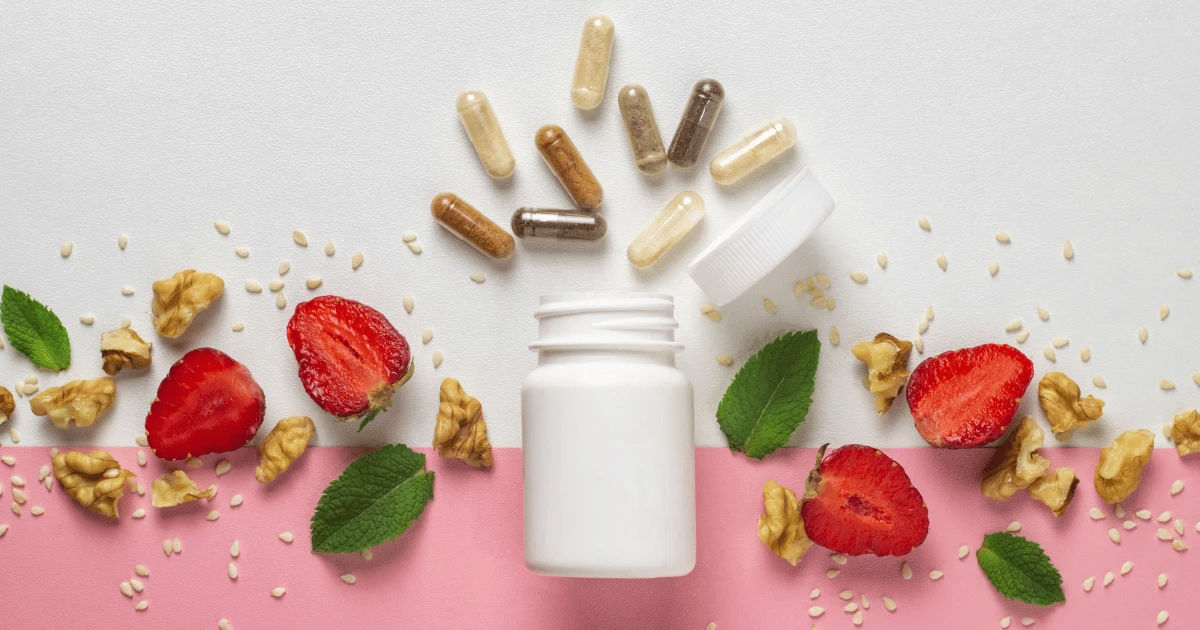
This is especially important when considering best glutathione pills for skin whitening, because products marketed for complexion lightening are not automatically safe simply because they are sold as dietary supplements.
Glutathione is a naturally occurring antioxidant produced by the human body. It plays an important role in protecting cells from oxidative stress. Some research has also explored its possible effect on melanin production and skin pigmentation. However, evidence about oral glutathione for skin lightening is limited, and long-term safety has not been firmly established.
For pregnant women, the question is not simply whether glutathione can lighten skin. The more important question is whether taking concentrated glutathione supplements for cosmetic purposes has been adequately studied during pregnancy. At present, there is not enough reliable evidence to recommend best glutathione pills for skin whitening as a routine pregnancy skincare choice.
Is Glutathione Safe During Pregnancy?
The safest answer is to avoid starting glutathione pills for cosmetic skin whitening during pregnancy unless a qualified healthcare professional specifically recommends them.
Glutathione itself is a substance naturally found in the body, but that does not mean concentrated supplements are automatically appropriate during pregnancy. The body naturally produces many compounds that can behave differently when consumed in supplemental amounts.
Current research indicates that long-term studies of glutathione supplementation during pregnancy are limited. A recent review specifically notes that pregnancy and childhood safety data remain insufficient, supporting a cautious approach and consultation with a healthcare professional.
This distinction matters. A supplement can appear well tolerated in healthy non-pregnant adults while still lacking enough evidence to establish safety for pregnant women.
Therefore, best glutathione pills for skin whitening should not be selected during pregnancy based only on customer reviews, beauty claims, influencer recommendations, or before-and-after photographs.
Why Pregnancy Requires Extra Caution
During pregnancy, a developing baby is exposed to substances that cross from the mother's bloodstream through the placenta. The effects of many supplements have not been studied adequately in pregnant women.
That is one reason healthcare professionals generally recommend discussing non-essential supplements with an obstetrician or other qualified healthcare provider.
The goal is not to create unnecessary fear. It is simply about weighing benefits against risks.
If a supplement is being taken to treat a medically diagnosed deficiency, the potential benefit may justify its use under professional supervision. If it is being taken only to make the skin lighter, the benefit is cosmetic and the evidence for effectiveness is already limited.
That changes the risk-benefit calculation considerably.
Does Glutathione Actually Whiten the Skin?
Glutathione has attracted attention because of its possible effects on melanin production. Laboratory research suggests that it can influence melanogenesis, including changes in the type and amount of melanin produced.
There have also been small human studies involving oral glutathione. One randomized, double-blind, placebo-controlled study reported some skin-lightening effects among participants. However, the researchers also emphasized that long-term safety had not been established and that larger studies were needed.
That is an important limitation.
A small study showing a possible cosmetic effect is not the same as strong evidence proving that a supplement is effective, predictable, and safe for long-term use.
The available research on best glutathione pills for skin whitening therefore does not provide a strong basis for recommending them during pregnancy.
Why “Natural” Does Not Automatically Mean Safe
One of the most common misunderstandings about supplements is the idea that natural ingredients are always harmless.
Glutathione is naturally produced by the body, but a supplement can contain a concentrated amount. It may also contain additional vitamins, minerals, plant extracts, or other compounds.
The complete ingredient list matters.
For example, a skin-brightening capsule may contain glutathione alongside vitamin C, collagen, botanical ingredients, or other substances. The safety of the finished product depends on all of its ingredients, their doses, manufacturing quality, and the individual taking them.
This is another reason not to assume that best glutathione pills for skin whitening are suitable during pregnancy simply because the label describes them as natural or antioxidant-based.
What About Oral Glutathione Compared With Other Forms?
Glutathione is available in several forms, including oral capsules, tablets, lozenges, topical products, and intravenous preparations.
These forms should not be treated as interchangeable.
Oral glutathione has been investigated in human studies, but researchers continue to examine how effectively different formulations are absorbed. The National Institutes of Health notes that much of the research suggests oral glutathione may be broken down in the gastrointestinal tract, which has raised questions about its ability to increase intracellular glutathione levels.
More recent research has examined specialized oral formulations and found differences in bioavailability among products. However, studies in healthy adults do not establish pregnancy safety.
Intravenous glutathione is a different matter altogether. It involves direct administration into the bloodstream and has raised significant safety concerns, including serious adverse reactions reported in the medical literature. A recent review also emphasizes the lack of standardized dosing and safety concerns associated with intravenous use.
For pregnancy, cosmetic intravenous glutathione should not be viewed as a safer alternative to pills.
Can Glutathione Be Taken for a Medical Reason During Pregnancy?
This is an important distinction.
Glutathione has biological roles related to antioxidant protection, and researchers have studied glutathione levels and oxidative stress in pregnancy. Some pregnancy research has examined naturally occurring glutathione and glutathione-related enzymes in relation to pregnancy health.
However, research into the body's glutathione system does not mean that pregnant women should take glutathione supplements.
If a doctor believes a supplement is medically necessary, the decision should be based on the individual's health, pregnancy stage, medical history, other medications, and nutritional needs.
That is very different from taking best glutathione pills for skin whitening simply to change complexion.
What Should Pregnant Women Do About Skin Darkening?
Skin pigmentation can change naturally during pregnancy.
Hormonal changes can increase melanin production and make certain areas of the skin appear darker. Some women notice pigmentation on the face, around the nipples, along the abdomen, or in other areas.
Melasma, sometimes called the “mask of pregnancy,” is another common pigmentation concern.
These changes can be frustrating, but they are often related to normal pregnancy physiology rather than poor skincare.
Trying to aggressively lighten the skin during pregnancy may therefore be unnecessary.
A better approach is to focus on maintaining healthy skin and protecting it from excessive sun exposure.
Safer Skin-Care Priorities During Pregnancy
Sun protection is one of the most useful steps for managing pregnancy-related pigmentation.
Broad-spectrum sunscreen can help reduce ultraviolet exposure, which can worsen existing pigmentation. Wearing protective clothing, using shade, and avoiding prolonged direct sunlight can also help.
A gentle skincare routine is usually more practical than adding multiple supplements.
Cleanse the skin gently, moisturize regularly, and avoid harsh scrubs that can irritate sensitive skin. Skin irritation may make pigmentation appear more noticeable rather than less noticeable.
If pigmentation is severe, persistent, itchy, painful, or changing unexpectedly, speak with a dermatologist or pregnancy healthcare provider.
What About Diet and Natural Glutathione Production?
Instead of relying on best glutathione pills for skin whitening, pregnant women should prioritize the nutritional foundations recommended for pregnancy.
A balanced diet provides protein, fruits, vegetables, whole grains, and other nutrients needed for normal maternal and fetal development.
The body naturally makes glutathione from amino acids. Supporting overall nutrition is therefore more sensible than assuming that increasing the dose of a cosmetic supplement will automatically produce better skin.
Pregnancy-specific nutritional needs should be discussed with a healthcare professional, especially when considering supplements beyond a recommended prenatal regimen.
It is also worth remembering that supplement quality can vary. The NIH notes that independent quality testing can help verify manufacturing quality, ingredient identity, and contamination concerns in dietary supplements.
What If You Were Already Taking Glutathione?
If you discovered that you are pregnant after taking a glutathione supplement, do not panic.
A past dose does not automatically mean that something harmful has happened.
Instead, stop making assumptions based on internet discussions and contact your obstetrician, midwife, or another qualified healthcare professional. Give them the exact product name, ingredient list, dosage, frequency, and approximate dates you used it.
This information helps them assess the situation properly.
Do not replace professional advice with online testimonials about best glutathione pills for skin whitening, particularly when pregnancy is involved.
Questions to Ask Before Taking Any Skin Supplement
Before taking a cosmetic supplement during pregnancy, ask several basic questions.
Has this exact ingredient been adequately studied in pregnant women?
Is the product being taken for a genuine medical need or only for cosmetic reasons?
Does it contain ingredients besides the main advertised compound?
Could it interact with medicines or other supplements?
Has the product been independently tested for quality and contaminants?
Most importantly, has your pregnancy healthcare provider reviewed it?
If the answers are unclear, delaying the supplement is generally more sensible than experimenting during pregnancy.
Can You Use Glutathione After Pregnancy?
After pregnancy, the decision may be different, although breastfeeding introduces another safety consideration.
If you are breastfeeding, do not assume that a supplement is automatically safe simply because you are no longer pregnant. Some substances can enter breast milk, and safety information may still be limited.
After pregnancy and breastfeeding, if appropriate, you can discuss cosmetic options with a dermatologist.
At that stage, a healthcare professional can help you assess whether oral glutathione is worthwhile, what evidence exists for its effectiveness, and whether another approach would be more suitable.
Even outside pregnancy, expectations should remain realistic. Research on oral glutathione has shown potential changes in pigmentation, but the evidence remains limited and researchers continue to call for better long-term studies.
Common Mistakes Pregnant Women Should Avoid
One mistake is choosing a supplement because it has thousands of positive online reviews.
Reviews can tell you how customers felt about a product, but they cannot establish pregnancy safety.
Another mistake is assuming that a higher dose will produce faster skin lightening.
There is no good reason to assume that taking more glutathione will make cosmetic results better or safer.
A third mistake is combining several skin-brightening supplements.
Someone may take glutathione along with vitamin C, collagen, herbal products, and other beauty supplements without realizing that they are adding multiple ingredients to the same routine.
During pregnancy, simpler is generally better when there is no clear medical reason for additional supplementation.
Finally, avoid injectable or intravenous cosmetic treatments marketed as rapid whitening solutions. The potential risks are not justified simply for cosmetic lightening, particularly when safer skincare strategies are available.
Are There Any “Best” Glutathione Pills for Skin Whitening During Pregnancy?
There is no specific glutathione pill that can responsibly be described as the best choice for skin whitening during pregnancy.
The problem is not necessarily that every glutathione product is proven harmful. The bigger issue is that adequate pregnancy-specific safety evidence is lacking.
That means product comparisons based on dosage, formulation, price, or whitening claims can create a false sense of security.
A product being labeled “premium,” “high absorption,” “liposomal,” or “clinically tested” does not automatically mean it has been proven safe for pregnant women.
For this reason, searching for the best glutathione pills for skin whitening should not be the priority during pregnancy. The priority should be maternal health, fetal safety, appropriate nutrition, sun protection, and professional guidance.
When Should You Talk to a Doctor?
Speak with your healthcare provider before starting any non-essential supplement during pregnancy.
You should be particularly cautious if you have a complicated pregnancy, take prescription medicines, have allergies, have liver or kidney problems, or are already taking multiple supplements.
You should also seek professional advice if pigmentation changes suddenly or appears alongside other concerning symptoms.
A dermatologist can help distinguish normal pregnancy pigmentation from conditions that may need treatment.
Your doctor can also review your prenatal supplements and determine whether anything unnecessary should be removed.
Conclusion
Pregnancy is not the ideal time to experiment with cosmetic supplements, especially when their long-term safety has not been adequately established. Glutathione is an important antioxidant naturally produced by the body, and research suggests that it may influence melanin production. Small clinical studies have reported potential skin-lightening effects, but the evidence remains limited, and long-term safety data are still insufficient.
For that reason, best glutathione pills for skin whitening should not be considered a routine pregnancy treatment. There is currently no specific oral glutathione product that can be confidently recommended as a pregnancy-safe skin-whitening supplement.
If you are pregnant and concerned about darker or uneven skin, focus first on gentle skincare, sun protection, good nutrition, and appropriate prenatal care. Many pigmentation changes associated with pregnancy are temporary and may become less noticeable after hormonal changes settle.
If you have already taken best glutathione pills for skin whitening after becoming pregnant, do not automatically assume that you or your baby have been harmed. Instead, tell your healthcare provider exactly what you took and how much you used.
The most sensible approach is to postpone non-essential skin-whitening supplementation until your pregnancy healthcare professional confirms that it is appropriate. Cosmetic improvement can wait; protecting your health and your developing baby deserves priority.
