
Eid is a special occasion when people celebrate happiness, family traditions, and the beauty of dressing up. Choosing the right outfit is an important part of the celebration, especially for women who want to look elegant while feeling comfortable throughout the day. Fabric plays a major role in determining how an outfit looks, feels, and fits. Among the many available fabrics, silk remains one of the most attractive choices for festive clothing. Its natural shine, smooth texture, and graceful appearance make it suitable for traditional and modern outfits alike.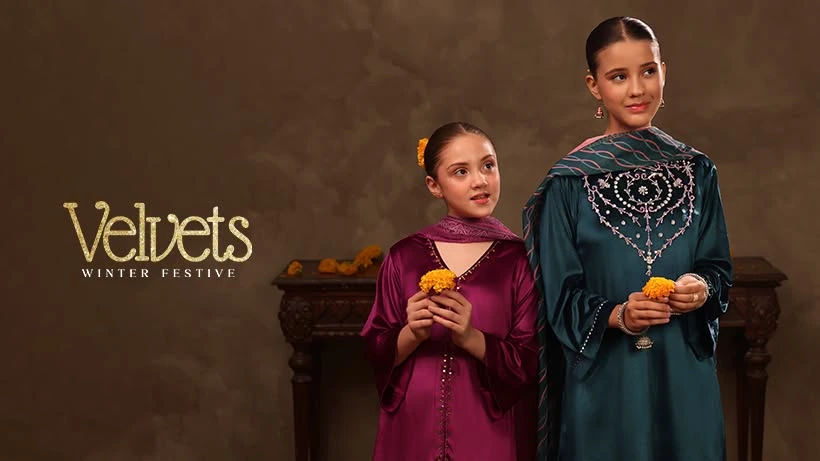
An eid design dress can certainly use silk, and it can look exceptionally beautiful when the fabric is selected and styled correctly. Silk offers a luxurious appearance that works well with traditional embroidery, delicate embellishments, and contemporary cuts. Whether someone prefers a simple outfit or an elaborate festive ensemble, silk provides plenty of styling opportunities.
However, choosing silk involves more than considering its attractive appearance. The type of silk, weather conditions, outfit design, embroidery, and personal comfort all influence the final result. Some silk fabrics are lightweight and breathable, while others are heavier and better suited to formal evening celebrations.
Understanding these differences can help you choose an outfit that looks beautiful and feels comfortable throughout Eid. This comprehensive guide explores how silk can be incorporated into festive clothing, which varieties work best, and how to style and maintain silk outfits.
Why Silk Is Suitable for Eid Outfits
Silk has remained a popular fabric for special occasions for centuries. Its luxurious appearance and natural drape make it particularly suitable for traditional clothing.
Eid outfits often combine cultural elements with modern fashion trends. Silk supports both styles because it can be used for flowing silhouettes, structured shirts, traditional kurtas, and elaborate three-piece suits.
Here are some reasons why silk works so well for Eid clothing.
1. Its Natural Shine Creates an Elegant Appearance
One of the most recognizable features of silk is its natural sheen. Unlike fabrics that depend entirely on artificial finishing to create shine, genuine silk has a subtle glow.
This quality gives festive clothing a refined appearance without requiring excessive decoration.
eid dress design , a plain silk shirt paired with embroidered trousers can look sophisticated. Adding a matching dupatta creates a complete traditional outfit suitable for family gatherings and Eid dinners.
Silk also reflects light beautifully, making it an attractive choice for evening celebrations.
2. Silk Drapes Beautifully
The way a fabric falls around the body affects the overall appearance of an outfit.
Silk has a natural drape that allows designers to create graceful silhouettes. Depending on its variety and weight, it can form soft folds, flowing sleeves, and elegant hemlines.
This makes it suitable for:
-
Long traditional shirts.
-
Anarkali dresses.
-
Straight-cut kurtas.
-
Flared frocks.
-
Flowing maxi dresses.
-
Traditional ghararas and shararas.
A well-designed silk outfit can look graceful without requiring complicated construction.
3. It Works With Traditional Embroidery
Eid clothing frequently includes decorative details such as zari, threadwork, sequins, pearls, and delicate embellishments.
Silk provides an attractive foundation for these elements.
Gold embroidery looks especially beautiful on jewel-toned silk, while silver detailing complements cooler shades.
Designers can also combine silk with organza, chiffon, or net to create contrast between different textures.
Which Types of Silk Are Best for an Eid Design Dress?
Not every silk fabric has the same texture, weight, or appearance. Choosing the correct variety is important because different types are suitable for different clothing designs.
Some silk fabrics are lightweight and comfortable, while others have a heavier structure that works better for formal outfits.
Pure Silk
Pure silk is known for its natural softness, smooth surface, and luxurious appearance.
It is an excellent option for women who prefer premium festive clothing. Its elegant drape makes it suitable for traditional suits, long shirts, and formal dresses.
Pure silk can also support intricate embroidery when the fabric weight and construction are appropriate.
However, it usually requires careful handling. Some varieties can wrinkle easily, and delicate silk may need professional cleaning.
Raw Silk
Raw silk is popular for formal clothing because it has a slightly textured surface and a structured appearance.
Unlike softer silk varieties, it generally holds its shape well.
This makes it suitable for:
-
Structured shirts.
-
Straight-cut dresses.
-
Formal trousers.
-
Waistcoats.
-
Embroidered festive suits.
Raw silk is particularly attractive when designers want an outfit that looks elegant without appearing overly shiny.
It is also a good option for people who prefer a more defined silhouette.
Silk Chiffon
Silk chiffon offers a lightweight and delicate appearance.
Its flowing texture makes it suitable for dresses that require movement and softness.
It works particularly well for dupattas, sleeves, overlays, and layered outfits.
Silk chiffon can also be combined with heavier fabrics to create an interesting contrast.
For instance, a raw silk shirt paired with a silk chiffon dupatta creates a balanced festive look.
Silk Satin
Silk satin has a smooth surface and a noticeable glossy finish.
It is an attractive option for women who enjoy glamorous festive clothing.
Satin silk works well for flowing gowns, maxi dresses, and contemporary traditional outfits.
Its reflective surface makes even simple designs appear luxurious.
However, shiny satin can highlight creases and may require careful tailoring. Choosing the correct fit is important for achieving an elegant result.
Silk Organza
Silk organza is lightweight, slightly transparent, and relatively crisp.
It is often used to create volume and decorative layers.
Designers commonly incorporate it into:
-
Sleeves.
-
Dupattas.
-
Decorative borders.
-
Flared panels.
-
Layered dresses.
Organza can make an outfit look delicate and sophisticated.
It is particularly useful when creating a festive design that combines structure with lightness.
How to Choose the Right Silk for Eid
Selecting the right silk depends on the type of outfit you want and how you plan to wear it.
A fabric that looks beautiful in a showroom may not necessarily provide the comfort or appearance you expect when worn.
Consider the following factors before making a purchase.
Consider the Weather
Weather conditions should influence your fabric selection.
Eid celebrations in warmer regions can involve long family visits, outdoor gatherings, and daytime activities.
Heavy silk fabrics may feel uncomfortable in hot weather, especially when combined with thick linings and dense embroidery.
Lightweight silk chiffon and breathable silk blends may provide a better experience.
For cooler evenings, heavier silk and raw silk can be excellent choices.
The goal is to select a fabric that balances appearance with comfort.
Think About the Occasion
Not every Eid gathering requires the same level of formality.
For a casual family lunch, a simple silk shirt with minimal embroidery may be enough.
For a formal dinner, a heavily embroidered silk outfit can create a more luxurious appearance.
Consider your plans before choosing the fabric and design.
An outfit intended for several hours of visiting should allow comfortable movement. A dress for a short evening celebration can accommodate more elaborate details.
Check the Fabric Weight
Silk comes in different weights and thicknesses.
Lightweight varieties are suitable for flowing designs, whereas heavier options work better for structured outfits.
Before buying fabric, feel its texture and check how it moves.
You should also consider whether the material needs an additional lining.
A thick lining can make an otherwise lightweight outfit feel heavy, particularly in warm weather.
Select the Right Colour
Colour can completely change the appearance of silk clothing.
Some shades create a traditional festive look, while others provide a modern and understated appearance.
Popular Eid colours include:
-
Emerald green.
-
Champagne gold.
-
Dusty pink.
-
Royal blue.
-
Deep maroon.
-
Lavender.
-
Ivory.
-
Pastel peach.
-
Teal.
Jewel tones often look particularly attractive on silk because the fabric's natural sheen adds depth to the colour.
Pastel shades are excellent for daytime celebrations, while darker colours can create a sophisticated evening appearance.
Popular Eid Designs That Look Beautiful in Silk
Silk is a versatile fabric that supports many traditional and contemporary designs.
The right silhouette depends on personal preference, comfort, and the level of formality.
Traditional Straight-Cut Dresses
Straight-cut dresses are timeless and easy to style.
A silk shirt with embroidered neck detailing and matching trousers creates a balanced traditional outfit.
You can choose minimal embroidery for a simple appearance or add decorative sleeves and borders for a more festive look.
This design is particularly suitable for women who prefer elegance without excessive embellishment.
Anarkali Silk Dresses
Anarkali dresses are known for their fitted upper sections and flowing lower silhouettes.
Silk gives these dresses a graceful appearance because it allows the fabric to fall naturally.
A floor-length Anarkali with delicate embroidery can be an excellent choice for formal Eid celebrations.
Adding a contrasting dupatta and traditional jewellery completes the outfit.
Silk Maxi Dresses
Maxi dresses are popular among women who prefer contemporary festive clothing.
Silk satin and soft silk blends can create flowing maxi designs with elegant movement.
You can select a simple neckline, fitted waist, and slightly flared skirt.
For a more traditional appearance, incorporate embroidered borders or decorative sleeves.
Silk Sharara and Gharara Outfits
Sharara and gharara outfits remain important parts of traditional festive fashion.
Silk works particularly well for these designs because heavier varieties provide structure and allow the trousers to maintain their shape.
A short silk shirt paired with embroidered sharara trousers can create a beautiful festive ensemble.
A lightweight dupatta helps balance the overall appearance.
Minimalist Silk Suits
Minimalist fashion is a good choice for women who prefer understated clothing.
A plain silk suit with carefully selected accessories can look just as elegant as a heavily decorated outfit.
Focus on the fabric quality, tailoring, and colour combination.
Small embroidered details around the neckline or sleeves can provide enough decoration without overwhelming the design.
How to Style a Silk Eid Outfit
Selecting the fabric is only one part of creating an attractive festive appearance.
Accessories, footwear, jewellery, and makeup should complement the outfit rather than compete with it.
Choose Jewellery Carefully
Silk already has a luxurious appearance, so jewellery should be selected according to the outfit's design.
Gold jewellery complements warm colours such as maroon, emerald, and champagne.
Silver jewellery works beautifully with lavender, blue, grey, and pastel shades.
For heavily embroidered clothing, consider wearing simple earrings and a delicate bracelet.
If your outfit has minimal decoration, statement earrings or a traditional necklace can add visual interest.
Select Suitable Footwear
Footwear should match the overall style of your clothing.
Traditional khussas, embroidered sandals, and elegant heels are popular options.
For long celebrations, comfort should remain a priority.
Choose shoes that allow you to walk comfortably, especially if you expect to visit several relatives or attend multiple gatherings.
Pick a Complementary Dupatta
A dupatta can significantly improve the appearance of a silk outfit.
Silk chiffon, organza, and net are useful options because they provide texture without adding too much weight.
A contrasting dupatta can create an interesting combination.
For example, an emerald silk dress paired with a champagne organza dupatta can look sophisticated.
You can also choose a matching dupatta for a more traditional appearance.
Keep Makeup Balanced
Makeup should complement the colour and formality of your outfit.
For daytime celebrations, natural-looking makeup with soft lipstick and subtle eye definition is a practical choice.
For evening events, slightly stronger eye makeup and a richer lip colour can create a more glamorous appearance.
Avoid choosing makeup colours that clash with the fabric.
The aim is to create a coordinated look that feels comfortable and appropriate.
Can Silk Be Worn During Daytime Eid Celebrations?
Yes, silk can be worn during daytime Eid celebrations, provided you choose the right variety.
Many people associate silk with formal evening clothing, but lightweight silk fabrics can also work beautifully during the day.
The most important consideration is comfort.
Choose lightweight material, avoid excessive lining, and select a design that allows air circulation.
Pastel colours such as peach, mint green, ivory, and powder blue are particularly attractive for daytime gatherings.
Minimal embroidery can also help keep the outfit comfortable.
For a practical daytime appearance, pair a simple silk shirt with straight trousers and a lightweight dupatta.
This combination offers a festive appearance without feeling unnecessarily formal.
Is Silk Better Than Chiffon or Lawn for Eid?
Silk, chiffon, and lawn all have different qualities.
The best option depends on the weather, occasion, and personal preferences.
|
Fabric |
Main quality |
Best suited for |
|---|---|---|
|
Silk |
Luxurious shine and elegant drape |
Formal Eid outfits |
|
Chiffon |
Lightweight and flowing |
Dupattas and layered dresses |
|
Lawn |
Lightweight and practical |
Casual daytime celebrations |
|
Organza |
Crisp and decorative |
Formal layers and sleeves |
|
Raw silk |
Structured and textured |
Traditional festive suits |
|
Satin |
Smooth and glossy |
Glamorous evening dresses |
Silk is often preferred when the goal is to achieve a luxurious festive appearance.
Lawn is generally more practical for very hot weather and everyday comfort.
Chiffon is especially useful for flowing designs and dupattas.
Instead of treating one fabric as universally better, consider the purpose of the outfit.
Some of the most attractive Eid combinations use two or three fabrics together.
For example, a raw silk shirt, lawn trousers, and organza dupatta can create an interesting balance between comfort and elegance.
Common Mistakes to Avoid When Choosing Silk
Although silk is beautiful, selecting the wrong fabric or design can affect the overall appearance of an outfit.
Understanding common mistakes can help you make a better decision.
Choosing Fabric Only for Its Appearance
A fabric may look attractive under showroom lighting but feel uncomfortable when worn.
Always check its texture, weight, and flexibility.
Try to understand whether the fabric is genuine silk, a silk blend, or synthetic satin.
These materials can have different characteristics and care requirements.
Adding Too Much Embroidery
Silk already has a naturally attractive appearance.
Adding excessive embroidery, sequins, and decorative elements can make an outfit look overcrowded.
Instead, choose a few areas for detailed decoration.
The neckline, sleeves, borders, and dupatta can provide enough visual interest.
Ignoring Proper Measurements
Silk garments require careful tailoring.
An outfit that is too tight may restrict movement, while an excessively loose design can affect the overall silhouette.
Take accurate measurements and allow sufficient room for comfortable movement.
Pay particular attention to the shoulders, sleeves, waist, and length.
Forgetting About Maintenance
Some silk fabrics require special care.
Washing them incorrectly can damage their texture, colour, or surface.
Always check the garment's care instructions before cleaning.
If the outfit includes delicate embroidery, professional dry cleaning may be the safer option.
How to Care for Your Silk Eid Dress
A quality silk outfit can remain beautiful for many years when properly maintained.
Since silk is a delicate natural fibre, it needs more attention than some everyday fabrics.
Follow the Cleaning Instructions
Always check the care label before washing your outfit.
Some silk garments can be hand-washed using suitable gentle detergents, while others require professional dry cleaning.
Avoid using harsh chemicals or bleach.
Do not rub delicate silk aggressively because this can damage its surface.
Store It Properly
After Eid, clean the outfit according to its care instructions before storing it.
Use a clean, breathable garment cover to protect it from dust.
Avoid storing silk in damp places because moisture can encourage damage and unpleasant odours.
Keep heavy accessories away from delicate embroidered sections.
Iron at a Low Temperature
Silk can be sensitive to high temperatures.
Use an appropriate low-temperature setting if ironing is permitted by the care label.
A pressing cloth can provide additional protection.
For expensive or heavily embroidered garments, professional pressing is often a better choice.
Protect It From Direct Sunlight
Long exposure to direct sunlight can affect the colour of certain silk fabrics.
Store your outfit away from strong sunlight and avoid leaving it near windows for extended periods.
Proper storage helps preserve its appearance between festive occasions.
Is a Silk Eid Dress Worth the Investment?
For many women, silk is worth considering because it combines elegance, versatility, and a premium appearance.
However, the value of an outfit depends on fabric quality, craftsmanship, tailoring, and how frequently it will be worn.
A well-made silk suit can be reused for weddings, family celebrations, formal dinners, and other special occasions.
You can also change its appearance by combining it with different dupattas, jewellery, and footwear.
For example, a plain emerald silk shirt can be styled with traditional jewellery for Eid and more understated accessories for another family event.
This versatility can make a carefully selected silk outfit a worthwhile addition to your wardrobe.
Before purchasing, compare different fabric options and inspect the stitching and finishing.
Pay attention to the quality of embroidery and the durability of decorative elements.
A simple, well-constructed outfit can offer better long-term value than an expensive design with poor finishing.
Conclusion
Silk is an excellent fabric choice for Eid clothing because it combines traditional elegance with modern fashion versatility. Its natural shine, smooth texture, and graceful drape make it suitable for many different styles, including straight-cut suits, Anarkali dresses, maxi outfits, shararas, and contemporary formal designs.
The key to choosing the right silk outfit is understanding the differences between available varieties. Pure silk offers a luxurious appearance, raw silk provides structure, silk chiffon creates flowing layers, and silk satin delivers a glossy finish. Each variety serves a different purpose, allowing women to select an option that matches their preferred style and comfort requirements.
Weather, occasion, colour, embroidery, and tailoring should also influence the final decision. Lightweight silk varieties are generally more practical for warmer daytime celebrations, while heavier fabrics can create beautiful outfits for formal evening gatherings.
Styling is equally important. Complementary jewellery, comfortable footwear, a suitable dupatta, and balanced makeup can transform a simple outfit into an elegant festive look. At the same time, avoiding excessive decoration helps preserve the natural beauty of silk.
Proper maintenance should never be overlooked. Following cleaning instructions, storing garments carefully, and protecting them from excessive heat and sunlight can help preserve their appearance.
Ultimately, an eid design dress made with silk can be a beautiful investment for anyone who appreciates elegant festive clothing. Whether you prefer a minimalist traditional suit or an elaborate embroidered ensemble, silk offers the flexibility to create an outfit that reflects your personality and celebrates the spirit of Eid. Choosing the right variety and design will ensure that you look graceful while enjoying the occasion comfortably.
