
When an unwanted, damaged, old, or non-running vehicle is taking up valuable space, car removal in Geelong can provide a practical way to have it collected and taken away. The process is generally designed to make vehicle disposal easier by combining valuation, paperwork, collection, towing, and recycling or dismantling.
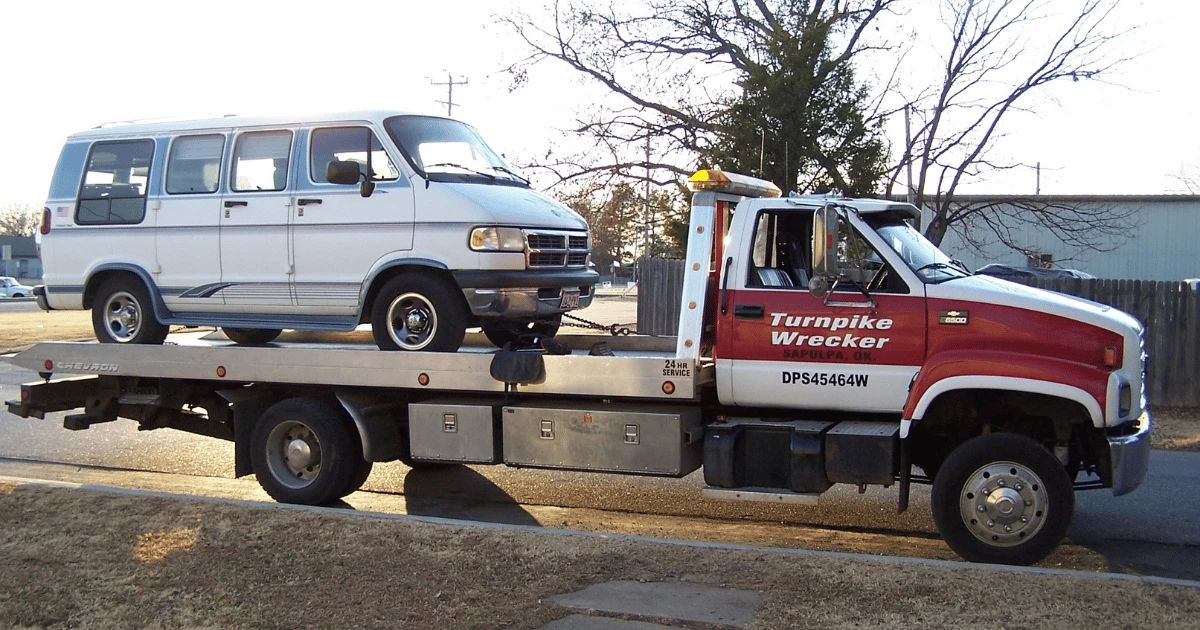
For many vehicle owners, the process may seem complicated at first. In reality, professional removal services commonly follow a straightforward series of steps. You provide information about the vehicle, receive an assessment or offer, arrange a collection time, complete the required paperwork, and have the vehicle transported away.
The exact process can vary between businesses and according to the vehicle's condition. Some services accept cars that are damaged, unregistered, old, or no longer running. Local providers advertise services covering different parts of the Greater Geelong area, while some offer towing as part of the removal process.
What Is Car Removal in Geelong?
Car removal is a service that helps owners dispose of vehicles they no longer want or need. Instead of arranging separate transportation to a scrapyard or dismantler, the removal company usually organises the collection and towing.
The vehicle may be purchased for its remaining value, dismantled for usable components, or sent through recycling processes. The final outcome depends on the vehicle's age, condition, parts, and the policies of the business handling it.
The service can be useful for several types of vehicles. These may include cars that have suffered accident damage, vehicles with mechanical problems, older cars that are expensive to maintain, and unwanted vehicles that are no longer practical to keep.
How Does the Process Start?
The first step normally involves contacting a removal company and providing basic information about the vehicle.
You may be asked for the make, model, year, approximate kilometres, location, and general condition when arranging car removal in Geelong. Photographs can also help a business understand the vehicle's condition before giving an estimate. Some providers specifically request photographs from different angles and information about damage and the odometer reading.
Being accurate at this stage is important. If a vehicle has major damage, missing parts, or cannot start, explaining this clearly helps avoid misunderstandings when the vehicle is inspected.
Receiving a Vehicle Valuation
After receiving the vehicle details, the company may provide an estimated value or offer.
Several factors can influence this amount. The make and model can matter because some vehicles have stronger demand for replacement parts. The age, condition, mileage, damage, and presence of useful components can also affect the assessment.
A vehicle that is still running may have a different value from one that is severely damaged or cannot move under its own power.
It is sensible to compare offers rather than accepting the first figure immediately. Also check what the offer includes. A company may advertise free towing, while another provider may have separate collection charges.
Checking the Paperwork
Paperwork is an important part of the process because the company needs to establish that the person selling the vehicle has the right to do so.
Depending on the circumstances and the business, you may need identification and documents connected with the vehicle. Some providers use electronic contracts and request identification before collection.
Before signing anything, read the agreement carefully. Check the vehicle description, agreed price, collection arrangements, and any terms relating to towing or additional costs.
If you are unsure about a document, ask a parent, guardian, or another trusted adult to help you understand it before signing.
Arranging the Collection
Once the offer and paperwork have been accepted, the next stage is arranging a pickup time.
The company normally asks for the vehicle's exact location and information about access. This is particularly important if the car is parked in a narrow driveway, underground garage, private car park, or another difficult location.
Some providers advertise same-day or next-day collection, although actual availability depends on the business and local conditions.
Before collection, remove personal belongings from the vehicle. Check the glove compartment, centre console, boot, door pockets, and other storage areas.
What Happens on Collection Day?
On the scheduled day, a tow truck or appropriate recovery vehicle arrives at the agreed location.
The driver will generally confirm the vehicle details and inspect its condition. If the car is not operational, the driver may need suitable towing or loading equipment.
It is helpful to make sure the vehicle is accessible. One Geelong removal provider notes that the owner does not necessarily need to be present if the company has the vehicle's location and a clear pathway for the tow driver.
However, arrangements can differ between businesses. Confirm beforehand whether someone needs to be present for identification, paperwork, payment, or access.
How Is a Non-Running Car Removed?
A car does not always need to be mechanically operational to be collected.
If the engine will not start, the vehicle may still be loaded onto a suitable tow truck. The removal team chooses equipment according to the car's condition, position, and accessibility.
Cars that have been badly damaged can require additional care during loading. For example, a vehicle involved in an accident may have damaged wheels, steering components, or bodywork.
This is one reason it is useful to describe the vehicle honestly when arranging collection. Accurate information allows the company to prepare appropriate equipment.
What Happens to the Car After Removal?
After collection, the vehicle may be transported to a yard, dismantling facility, recycler, or another authorised location.
The next stage depends on its condition and the business model of the company. A vehicle with valuable components may be dismantled so usable parts can be recovered.
Other materials can be separated for recycling. Metal is particularly valuable because it can be recovered and processed rather than simply sending the entire vehicle to landfill.
Local waste and recycling facilities in the Geelong region provide resource-recovery services for various materials, although vehicle disposal itself should be handled through an appropriate vehicle-removal or recycling business rather than ordinary household waste collection.
Can Usable Car Parts Be Recovered?
Yes, one important reason unwanted vehicles are collected is that some components may still have value.
Parts can include items such as body panels, wheels, mirrors, interior components, lights, engines, transmissions, and other mechanical or electrical components, depending on the vehicle.
A dismantler may inspect the vehicle and determine which parts can be reused.
This approach can extend the useful life of components that are still in acceptable condition. It can also reduce the need to manufacture replacement parts from entirely new materials.
What Happens to Recyclable Materials?
After useful components are removed, remaining materials can potentially enter recycling processes.
Vehicles contain substantial quantities of metals and other materials. Separating these materials allows them to be handled through appropriate recovery channels.
Responsible recycling is an important part of modern vehicle disposal because simply abandoning an unwanted vehicle can create environmental and safety problems.
Professional businesses may therefore work with recycling facilities or dismantling operations to recover materials from vehicles.
What Should You Remove Before Pickup?
Before the vehicle leaves your property, take a few minutes to check it carefully.
Remove personal belongings, paperwork, shopping bags, electronic devices, tools, chargers, and anything else you want to keep.
It is also worth checking under seats and inside the boot. Small objects can easily be forgotten when a vehicle is collected quickly.
If the vehicle contains important documents, remove them before handing the car over.
You should also follow the removal company's instructions regarding keys and documentation. If you have questions about registration or ownership paperwork, check the relevant Victorian requirements or ask a responsible adult for assistance.
What If the Vehicle Is Damaged?
Damaged vehicles are commonly handled through removal services.
The extent of damage can affect both the vehicle's value and the equipment required for collection. Minor body damage may still leave the vehicle mobile, while severe accident damage may require specialised loading equipment.
Tell the company about major damage before pickup. This allows the removal team to plan the collection properly.
Photographs are particularly useful because they can show damaged areas that may not be obvious from a short description.
What If the Vehicle Is Very Old?
An older vehicle may still have useful components or recyclable materials.
Age alone does not necessarily mean that a vehicle has no value. Its condition, make, model, parts, and metal content can all influence its eventual value.
For an owner, removal can also solve a practical problem. Instead of keeping an unused vehicle on private property, the owner can arrange for it to be collected and processed appropriately.
What If the Car Has Been Sitting for Years?
Vehicles that have remained unused for a long time can develop additional problems.
Tyres may deteriorate, batteries can lose their charge, and mechanical components may become less reliable. A vehicle that was once driveable may eventually become difficult or unsafe to operate.
If this happens, professional collection can be more practical than attempting to drive the vehicle to another location.
Do not attempt to move a severely damaged or unsafe vehicle yourself. Explain its condition to the removal company so suitable equipment can be arranged.
How Can You Prepare for a Smooth Removal?
Preparation can make the collection faster and easier.
First, confirm the pickup address and time. Next, make sure the vehicle can be accessed by the tow truck. Remove your belongings and have the required documents available.
It is also useful to confirm the agreed price and whether towing is included. Keep a record of important communication until the transaction is complete.
Some Geelong services advertise free towing and straightforward collection, but terms differ between providers, so always confirm the conditions before accepting an offer.
How Should You Choose a Removal Company?
Choosing a reputable provider is important.
Look for clear information about pricing, collection, paperwork, and towing. A legitimate business should be willing to explain what will happen to the vehicle and what you need to provide.
You can also look at local businesses and check their publicly available details. Geelong has a number of businesses operating in the vehicle-wrecking and removal sector, including Roos Car Removals Pty Ltd and Cash 4 Cars Geelong.
Do not choose a company solely because it promises the highest amount. Consider the complete offer, including towing, paperwork, collection arrangements, and any possible additional charges.
Common Mistakes to Avoid
One common mistake is failing to describe the vehicle accurately.
If you say that a car is running when it does not start, the removal team may arrive without the equipment needed to collect it efficiently.
Another mistake is overlooking personal belongings. Once the vehicle has been collected, recovering forgotten items can be difficult.
It is also important not to ignore paperwork. Read agreements carefully and make sure you understand what you are signing.
Finally, avoid assuming that every removal company follows exactly the same procedure. Ask questions before agreeing to the service.
Is Car Removal Environmentally Helpful?
Proper vehicle removal can support recycling and material recovery.
Instead of leaving an unwanted vehicle unused, responsible dismantling can allow usable parts and materials to be recovered. This can reduce unnecessary waste and provide materials for future use.
Local authorities in Geelong also emphasise resource recovery and recycling through their waste-management facilities.
However, environmental benefits depend on how the vehicle is processed. For this reason, it is sensible to choose a provider that clearly explains its recycling or dismantling practices.
Conclusion
The process of car removal in Geelong is generally straightforward when each stage is handled carefully. It begins with providing accurate vehicle information and receiving an assessment. After agreeing on the offer, the owner completes the necessary paperwork and schedules collection.
On collection day, the removal team checks the vehicle and uses suitable towing equipment to transport it. Afterward, the vehicle may be dismantled for reusable parts or processed for material recovery and recycling.
Preparation makes the experience much easier. Remove personal belongings, organise documents, describe the vehicle's condition honestly, and confirm whether towing and other services are included in the agreed price.
Most importantly, remember that individual businesses can have different requirements. A clear conversation before pickup can prevent misunderstandings and make the entire process more efficient.
For someone with an unwanted vehicle taking up space, understanding each stage removes much of the uncertainty. With proper preparation and a responsible service provider, vehicle collection can turn an inconvenient old car into a completed disposal or sale without unnecessary complications.
